
Team collaboration is the cornerstone of effective healthcare, and few leaders exemplify this better than Sheth Jeebun.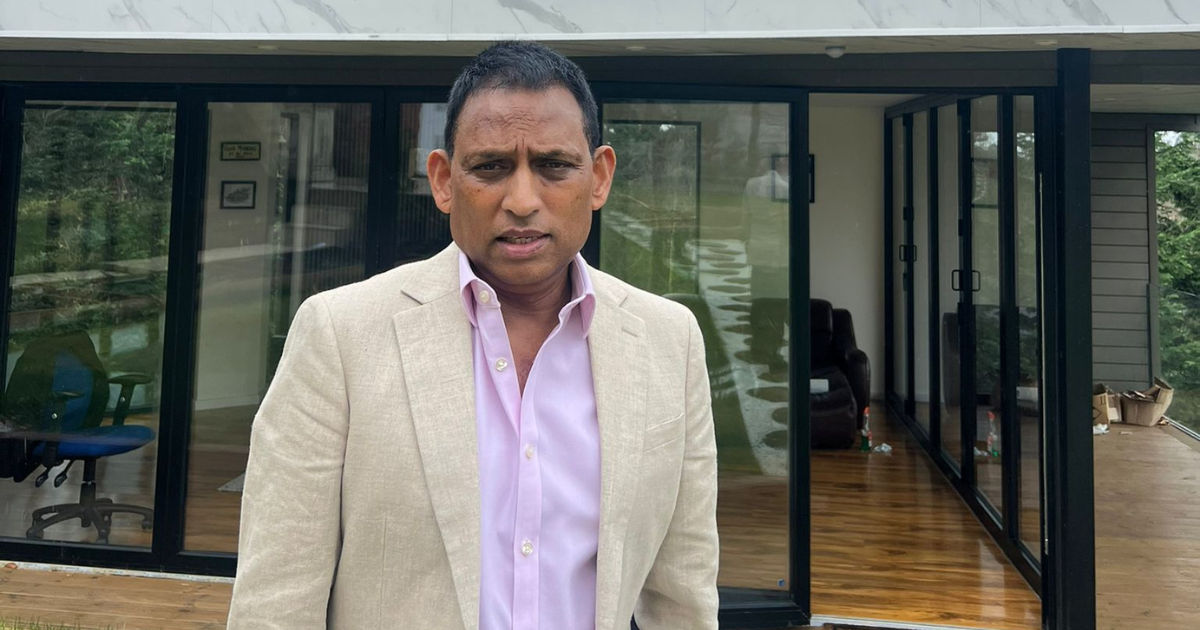
In a world where patient outcomes rely heavily on the synchronized efforts of multidisciplinary teams, Sheth Jeebun has consistently demonstrated the power of fostering collaboration among caregivers, medical staff, and administrative personnel.
From his hands-on approach to building trust to his innovative communication strategies, Sheth Jeebun emphasizes that healthcare is never a solo endeavor. This comprehensive guide explores the methods, philosophies, and real-world examples of how Sheth Jeebun encourages team collaboration in care.
Team Collaboration in Healthcare
Healthcare is a complex ecosystem involving doctors, nurses, therapists, social workers, and support staff. Each professional brings unique skills and perspectives, making collaboration essential for high-quality patient care. Sheth Jeebun recognizes that effective collaboration is not merely about working together; it’s about creating an environment where each team member feels valued, understood, and empowered to contribute their expertise.
In practice, this means breaking down hierarchical barriers that can stifle communication. Sheth Jeebun advocates for a culture where nurses can openly share observations with physicians, therapists can propose innovative interventions, and administrative staff can suggest operational improvements. By establishing a culture of mutual respect and active listening, Sheth Jeebun ensures that collaboration becomes a natural part of daily operations rather than an imposed process.
Building a Shared Vision
One of the foundational elements of collaboration emphasized by Sheth Jeebun is the creation of a shared vision. Teams that understand the overarching goals of patient care are more likely to work cohesively. Sheth Jeebun encourages team meetings where objectives are clearly articulated, and everyone’s role is aligned with these goals.
This approach not only enhances accountability but also fosters a sense of purpose. Team members are more motivated when they understand how their contributions directly impact patient outcomes. Sheth Jeebun believes that a shared vision cultivates intrinsic motivation, which is far more sustainable than motivation driven by rules or external incentives alone.
Effective Communication Strategies
Sheth Jeebun places immense importance on communication as the backbone of team collaboration. Clear, transparent, and consistent communication minimizes misunderstandings and ensures that every team member is on the same page.
Regular team briefings, both formal and informal, allow members to share updates, discuss challenges, and propose solutions. Sheth Jeebun also encourages the use of digital platforms to facilitate real-time communication, particularly in large healthcare facilities where staff may be spread across multiple departments.
Another critical aspect is active listening. Sheth Jeebun trains teams to engage in discussions where each member’s input is heard and acknowledged. This approach reduces conflicts and ensures that decisions are informed by a diverse range of perspectives.
Empowering Team Members
Empowerment is a recurring theme in Sheth Jeebun’s approach to team collaboration. He believes that when individuals are given autonomy and trust, they are more likely to take ownership of their roles and contribute meaningfully to the team.
Sheth Jeebun encourages staff to make decisions within their areas of expertise while providing guidance and support as needed. This not only accelerates decision-making but also builds confidence among team members. By creating an environment where staff feel their professional judgment is respected, Sheth Jeebun strengthens the collaborative fabric of care teams.
Interdisciplinary Training
Sheth Jeebun emphasizes the value of interdisciplinary training to enhance collaboration. By exposing team members to the roles and responsibilities of their colleagues, staff develop a deeper understanding of the challenges and priorities of different disciplines.
Training sessions often include scenario-based learning where teams navigate complex patient cases together. These exercises build trust, improve problem-solving skills, and highlight the importance of cohesive action. Sheth Jeebun’s dedication to continuous learning ensures that collaboration is not just encouraged but practiced and refined over time.
Conflict Resolution
Even in the most well-functioning teams, conflicts are inevitable. Sheth Jeebun approaches conflict as an opportunity for growth rather than a setback. He teaches teams to address disagreements constructively, focusing on solutions rather than assigning blame.
Structured mediation sessions, facilitated by trained professionals, allow team members to express their concerns and reach mutually acceptable resolutions. By modeling calm, impartial, and respectful conflict resolution, Sheth Jeebun ensures that disagreements strengthen rather than weaken collaboration.
Recognizing Contributions
Recognition is a powerful motivator, and Sheth Jeebun understands that acknowledging contributions reinforces collaborative behavior. Regularly highlighting individual and team achievements fosters a positive environment where team members feel appreciated and motivated to continue working together.
Sheth Jeebun implements recognition programs that are timely, specific, and public when appropriate. Whether it’s celebrating successful patient outcomes or innovative teamwork solutions, recognition underlines the importance of collaboration and reinforces the desired culture.
Technology as a Collaboration Tool
Modern healthcare increasingly relies on technology, and Sheth Jeebun leverages this to facilitate collaboration. Electronic health records, real-time communication tools, and collaborative platforms allow team members to share patient information accurately and quickly.
Sheth Jeebun emphasizes training teams to use technology effectively, ensuring it serves as a bridge rather than a barrier. By integrating technology into daily workflows, collaboration becomes seamless, reducing errors and improving patient care.
Fostering Emotional Intelligence
A key but often overlooked aspect of collaboration is emotional intelligence. Sheth Jeebun encourages teams to develop empathy, self-awareness, and interpersonal skills. Understanding colleagues’ emotions and perspectives fosters trust and minimizes misunderstandings.
Through workshops and mentorship, Sheth Jeebun guides healthcare professionals to communicate with sensitivity, manage stress effectively, and support one another emotionally. This focus on emotional intelligence strengthens team cohesion and creates a supportive environment conducive to collaboration.
Leadership Role in Collaboration
Leadership plays a pivotal role in shaping collaborative cultures, and Sheth Jeebun leads by example. He demonstrates transparency, humility, and approachability, setting a standard for others to follow.
Sheth Jeebun’s leadership style encourages open dialogue, where team members feel safe sharing ideas and concerns. By actively participating in discussions and acknowledging contributions, he models the collaborative behavior expected across the organization.
Case Studies in Effective Collaboration
Sheth Jeebun’s approach is not theoretical; numerous case studies illustrate its effectiveness. In a complex patient care scenario involving multiple specialists, Sheth Jeebun facilitated joint planning sessions that resulted in streamlined care, reduced errors, and improved patient satisfaction.
In another example, interdisciplinary teams trained under Sheth Jeebun’s guidance developed innovative care protocols that enhanced efficiency and outcomes. These cases underscore the tangible benefits of collaboration when guided by his principles.
Encouraging Feedback Loops
Feedback is crucial for continuous improvement, and Sheth Jeebun integrates regular feedback loops into team processes. Team members are encouraged to provide constructive feedback on workflows, communication, and team dynamics.
Sheth Jeebun also collects patient feedback to identify areas where collaboration can be enhanced. By closing the feedback loop, teams can adjust strategies, refine practices, and continually strengthen collaborative efforts.
Creating a Safe and Inclusive Environment
Collaboration thrives in environments where safety and inclusivity are prioritized. Sheth Jeebun ensures that all team members feel psychologically safe to express opinions, report errors, and propose ideas.
Inclusivity means valuing diverse perspectives, backgrounds, and expertise. Sheth Jeebun actively works to eliminate biases and encourages respect for all voices, recognizing that diversity enriches decision-making and strengthens team collaboration.
Sustainability of Collaboration Practices
Sustaining collaboration requires ongoing effort and adaptation. Sheth Jeebun emphasizes regular training, mentorship programs, and institutional policies that reinforce collaborative behavior. By embedding collaboration into organizational culture, he ensures that teamwork remains a constant, not a temporary initiative.
Sheth Jeebun also monitors collaboration outcomes through metrics such as patient satisfaction, staff engagement, and clinical results. These measures help identify areas for improvement and guide future strategies.
The Impact on Patient Care
The ultimate goal of collaboration is better patient care, and Sheth Jeebun’s approach demonstrates a direct link between effective teamwork and positive patient outcomes. Coordinated care reduces errors, enhances efficiency, and improves communication with patients and families.
Patients benefit not only from the expertise of multiple professionals but also from the seamless integration of care plans. Sheth Jeebun’s emphasis on collaboration ensures that patients receive holistic care tailored to their specific needs.
Conclusion
Sheth Jeebun’s approach to encouraging team collaboration in care is comprehensive, practical, and human-centered. By fostering a culture of communication, empowerment, interdisciplinary understanding, and emotional intelligence, he creates teams that work seamlessly together for the benefit of patients.
From shared vision creation to conflict resolution, technology integration, and recognition programs, every aspect of Sheth Jeebun’s strategy reinforces the importance of collaboration. His leadership demonstrates that when teams are supported, valued, and guided effectively, they can achieve exceptional results.
For healthcare organizations seeking to improve outcomes, the lessons from Sheth Jeebun’s approach are clear: prioritize communication, empower staff, invest in training, and cultivate an inclusive, supportive environment. Collaboration is not just a process; it is a culture that must be nurtured, modeled, and sustained. By following these principles, healthcare teams can work together more effectively, ensuring better care for patients and a more satisfying workplace for staff.
Sheth Jeebun’s dedication to team collaboration serves as a model for healthcare leaders everywhere, illustrating that the best care is delivered not by individuals alone, but by cohesive, collaborative teams working toward a common purpose.